By Justin Pratt, Clear Springs Baptist Church Senior Pastor
For many Americans today, political scandals or governmental rumors have become an expected backdrop of public life. Headlines cycle, accusations surface and cynicism shrugs as the news moves on. But in the mid-1970s, scandal was not as assumed; it was shocking. When rumors of wrongdoing reached the highest office in the land, the nation did not respond with fatigue, but with disbelief, because Americans still expected their leaders to be trustworthy and the system itself to be worthy of confidence. In a humid courtroom in the 1970s, when the evidence was mounting, the pressure was building and the most powerful office in the world was holding its breath, a question was asked aloud:
“What did the president know, and when did he know it?”
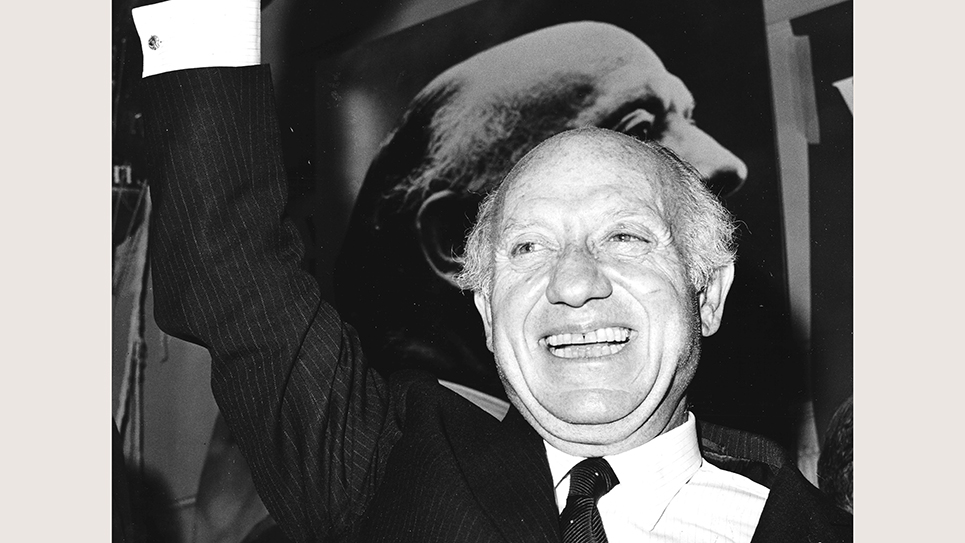
Tennessee Senator Howard Baker Jr.’s famous question did not accuse or conclude; it simply demanded clarity. And once it was asked for the world to see, it shifted the entire narrative of President Richard Nixon’s Watergate scandal. It became a question of truth and accountability. Every testimony and every tape was now measured against a single direct question. That one question redefined the story, ultimately leading to a presidential resignation that reshaped Americans’ trust in political leadership for years to come.
One question can change everything. The wise men did not arrive in Jerusalem with answers; they came with a question, and this one question disrupted everything. “Where is He that is born King of the Jews?” This one question stirred the heart of a paranoid king, unsettled a comfortable religious establishment and, in a quiet, subliminal way, announced that heavenly authority had entered the world as no one had expected. These magi from the east were not asking about a future ruler, nor were they inquiring about a generic ceremonial title. How much of it they understood, I have no way of knowing, but they were searching for a King who already was and always will be.
“Where is He that is born King of the Jews?” That question still presses on us even to this day. If Jesus is a King, then His kingship is not confined to the words of an Old Testament prophet or postponed to the end of time. The question confronts our assumptions, challenges our loyalties and demands a response now. The question these wise men were asking was not merely about location, but also about allegiance.
In our own lives, we must ask: Where is He that is born King of the Jews? The question that the wise men once asked does not remain safely in history; it demands consideration even today. What have we done with Jesus as our King? Is He only honored in tradition or have we given Him the right to reign over every aspect of our lives today? Have we accepted that the Bible clearly and emphatically tells us that one day He will sit on the throne of His father David, and reign over all the earth from Jerusalem? You see, the kingship that the Bible tells us is coming in the future is the very kingship that confronts us in the present.
The truth of Christmas is inescapable: every subject who has ever walked this earth will one day bow before this Child as a King. Men and women from every nation, every status, kindred, tribe, position and rank will bow before Him. Some will bow now by willing devotion; others will bow later in unavoidable confession. The wise men show us a better way. Their question becomes our examination: not IF He is a king, but WHERE He is as king. Where does Jesus reign in our lives, our time, our ambitions, our fears and our hopes? You see, the answer to this question not only shapes our theology, but it also reveals our allegiance and determines our destiny.